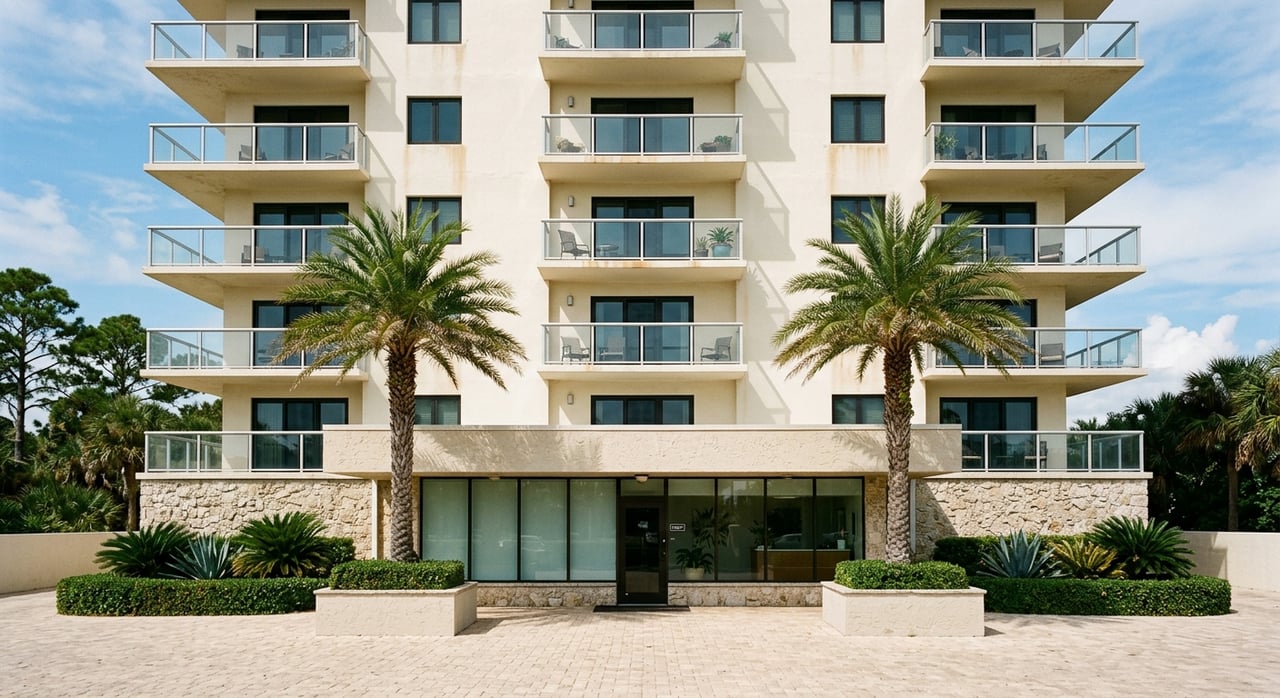
Thinking about buying a Jacksonville condo as a rental? It can be a smart way to enter the local investment market, but condos come with a different set of rules, costs, and building-level risks than a single-family rental. If you want fewer surprises and a clearer path to a workable long-term rental, it helps to understand what to review before you make an offer. Let’s dive in.
Why Jacksonville Condos Attract Rental Buyers
Jacksonville has a broad local economy, with targeted industries that include advanced manufacturing, aviation and aerospace, finance and insurance, headquarters, information technologies, life sciences, and logistics and distribution. The city also has major transportation infrastructure, including three interstates, rail, JAXPORT, and an international airport. For you as a rental buyer, that means location choices should be tied closely to commute access and proximity to job centers.
Just as important, Jacksonville is not one single condo market. Downtown Jacksonville is described by the city as the most walkable neighborhood in Jacksonville, while the Beaches area functions as its own coastal submarket that includes Jacksonville Beach, Neptune Beach, Mayport Beach, and Atlantic Beach. Because of that, tenant demand can shift a lot from one area to another.
Focus On The Building, Not Just The Zip Code
When you buy a condo as a rental, the building matters just as much as the location. Two properties in the same part of Jacksonville can perform very differently based on parking, amenities, lease rules, and the overall condition of the association. Looking at citywide averages alone can miss the issues that actually affect your return.
A practical way to evaluate a condo is to think about the likely tenant profile for that specific building. Some buildings may appeal more to people who want walkability, while others may be a better fit for renters who care most about parking, road access, or shared amenities. The more closely the building fits real day-to-day renter needs, the easier it can be to support your rental strategy.
Understand The Real Cost Of Ownership
One of the biggest mistakes condo buyers make is underestimating ownership costs. A Florida condo association budget can include administration, management fees, maintenance, insurance, security, operating capital, taxes on association property, and reserves. It may also include rent for recreational or commonly used facilities and some unit-owner-level costs tied to required shared amenities.
That means your monthly math should go beyond principal, interest, taxes, and basic insurance. You also need to review association dues carefully and understand what those dues are funding now and what they may need to fund later. In many cases, the future costs matter as much as the current ones.
The state’s condo budgeting rules also require attention to major capital items such as roof replacement, building painting, and pavement resurfacing. If a building has postponed those needs or underfunded them, owners may later face increased dues or special assessments. That can change the return on your rental faster than many first-time investors expect.
Reserve Studies And Special Assessments Matter
For buildings that are three habitable stories or higher, Florida requires a structural integrity reserve study at least every 10 years. That study covers major building components such as the roof, structure, fire protection, plumbing, electrical systems, waterproofing and exterior painting, windows and exterior doors, plus other large-ticket items that meet the statutory threshold. The study feeds into the association’s reserve funding plan.
Why does that matter to you? Because reserve findings can lead to higher regular assessments, special assessments, or other financing methods used by the association. In simple terms, a condo that looks affordable at first glance may become much more expensive if the building has large repair needs and limited reserve funding.
You should also ask whether the building has had a milestone inspection if it is three habitable stories or higher. Florida requires milestone inspections for these buildings by the year the building reaches 30 years of age and every 10 years after that. If a building is older, this is a key part of your due diligence.
Insurance And Taxes Need A Different Lens
Insurance is another area where condo rentals can catch buyers off guard. Florida says condo unit owners need an HO-6 style policy that primarily covers personal property and liability, and the policy must include at least $2,000 of loss-assessment coverage with a deductible no greater than $250. For a rental condo, you should confirm the exact policy needs with an insurance agent because the association’s master policy does not replace owner-level coverage.
Taxes also need a careful review. If you are buying the condo as a long-term rental, you generally should not underwrite it as a homestead property. Florida’s homestead exemption applies to a permanent residence, so using homestead-level assumptions for a rental can lead to an inaccurate estimate of your future costs.
Lease Rules Can Make Or Break The Deal
Not every Jacksonville condo allows the same rental strategy. A condo’s declaration, bylaws, rules, and FAQ sheet are the main documents that control use restrictions, maintenance responsibilities, amendment procedures, and financial reporting. These documents should also identify whether there are sale, lease, or transfer restrictions.
This is where many buyers need to slow down and read carefully. Some condos may have minimum lease terms, limits on how often a unit can be rented, tenant screening requirements, board approval requirements, transfer fees, or a right of first refusal. Those details can directly affect whether the unit fits your plans.
Florida law also makes later amendments important. If an amendment prohibits renting, changes lease duration, or limits rental frequency, that amendment applies to owners who consent to it and to buyers who take title after it becomes effective. That is why you should review both the original declaration and any later amendments rather than rely on a quick summary from a listing.
The Estoppel Certificate Is A Must-Review Document
Before closing on a resale condo, one of the most important documents to review is the estoppel certificate. In Florida, this certificate lists the regular assessment amount, special assessments or other sums owed, open violations, whether board approval or a right of first refusal applies, and the association’s insurance contacts. It gives you a current snapshot of the unit’s standing with the association.
Florida law requires the association to issue the estoppel certificate within 10 business days after a written or electronic request. That timing makes it a practical tool during your due diligence window. It can confirm important details before you move forward with the purchase.
Larger Associations Offer More Online Records
If the condo association has 25 or more non-timeshare units, Florida requires it to post key records online. These records include the declaration, bylaws, rules, approved board minutes, contracts, bids, budgets, financial reports, inspection reports, and the most recent structural integrity reserve study. According to the state, these records should be posted within 30 days after the association receives or creates them.
For you, that added transparency can make research easier. It may help you spot patterns such as repeated repair discussions, large pending projects, or budget pressure before you get too far into a deal. Even so, you still want a careful review of the documents rather than a quick skim.
Ask These Questions Before You Offer
Before you make an offer on a Jacksonville condo rental, try to get clear answers to these questions:
- What is the minimum lease term?
- How often can the unit be rented?
- Is board approval required for tenants?
- Are there tenant screening requirements or transfer fees?
- Does the association have a right of first refusal?
- Are pets, parking, renovations, or subletting restricted?
- Are any special assessments planned?
- What projects are driving reserve needs or future repairs?
- Has the building had a milestone inspection, if required?
- What does the latest structural integrity reserve study show?
Most of these answers should come from the condo documents and the estoppel certificate. If they do not, that is a sign to keep asking questions before you commit.
Watch For Collection Risk In Tenant-Occupied Units
There is another Florida-specific issue investors should know. If a unit owner becomes delinquent and a tenant is in place, the association can demand that the tenant pay rent directly to the association until the owner’s monetary obligations are paid in full. That rule highlights why association financial health and owner compliance matter in a condo investment.
Even if you plan to stay current, you still want to understand how a building handles collections and delinquencies. A poorly run association can create more risk and more friction for owners over time. Stable administration and clear records can make a meaningful difference.
Build Your Jacksonville Condo Team Early
Because taxes, insurance, financing, and lease language can all affect your return, it makes sense to review the final decision with a CPA, insurance agent, lender, and Florida real estate attorney before closing. Each professional helps you check a different part of the risk picture. That extra review can save you from buying a condo that does not actually support your rental goals.
Just as important, working with a local Jacksonville agent can help you narrow the search early. Instead of spending time on condos that do not allow your intended lease structure or that have building-level red flags, you can focus on properties that better match your budget, timeline, and strategy.
If you are weighing Jacksonville condos as a long-term rental, the goal is not just to find a unit that looks appealing online. The real goal is to find a building, set of rules, and cost structure that work together. If you want help screening condo options, reviewing submarket fit, and avoiding properties that may create headaches later, connect with Leslie Smith for a free neighborhood consultation.
FAQs
What should you review before buying a Jacksonville condo as a rental?
- You should review the declaration, bylaws, rules, FAQ sheet, estoppel certificate, current budget, reserve information, any structural integrity reserve study, and whether the building has had a required milestone inspection.
What costs matter most for a Jacksonville rental condo?
- Beyond your mortgage, you should account for association dues, reserves, possible special assessments, owner-level insurance, taxes without homestead assumptions, and any required fees tied to leasing or transfers.
What lease restrictions can affect a Jacksonville condo rental?
- Common restrictions can include minimum lease terms, limits on rental frequency, board approval, tenant screening, transfer fees, right of first refusal, and rules on pets, parking, renovations, or subletting.
What is a Florida condo estoppel certificate for a rental buyer?
- It is a document that confirms the regular assessment amount, special assessments or money owed, open violations, whether approval or right of first refusal applies, and the association’s insurance contacts.
Why do reserve studies matter when buying a Jacksonville condo rental?
- In buildings three habitable stories or higher, reserve studies can reveal future repair needs that may lead to higher dues, special assessments, or other funding changes that affect your investment return.
Should you assume homestead tax savings on a Jacksonville rental condo?
- No. A long-term rental generally should not be underwritten as a homestead property because Florida’s homestead exemption applies to a permanent residence.