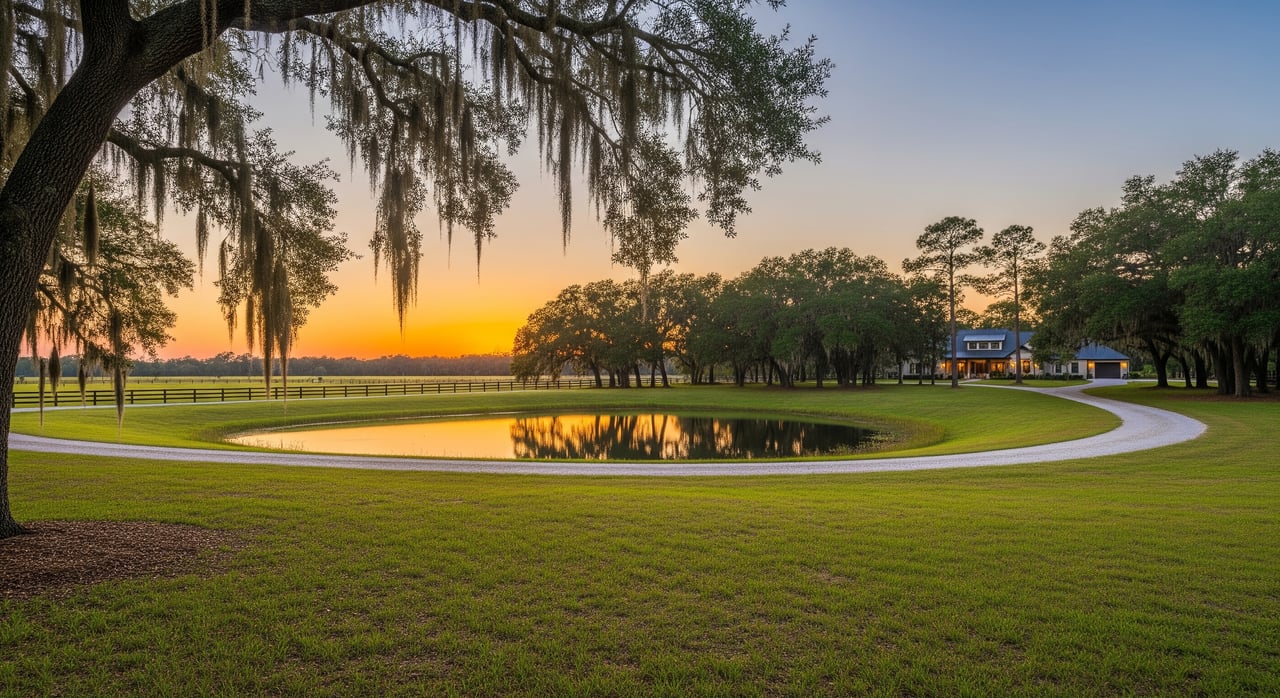
Dreaming about a little more elbow room in Clay County? Whether you want space for a custom home, a few horses, a garden, or a long-term land investment, buying acreage works differently than buying a house. You will navigate zoning, soils, wetlands, access, and more. This guide walks you through what to check, who to call, and how to budget so you can move forward with confidence. Let’s dive in.
Why buy land in Clay County
Clay County offers a mix of suburban convenience and rural tracts. You can find small parcels suited for hobby farms, timber, or a private homesite. Buyers are often drawn to privacy, self-sufficiency, and the flexibility to build on their timeline. Your exact goals will shape your due diligence and costs.
Acreage buyers commonly consider 1 to 20 acres. What matters most is not just size but how much of the land is actually buildable. Setbacks, wetlands, floodplain, easements, and septic feasibility can reduce usable area.
Check zoning and uses first
Before you fall in love with a property, confirm the rules that come with it.
- Verify current zoning and the county’s future land-use designation with Clay County Planning & Zoning. Zoning controls allowed uses, minimum lot size, density, animals, and accessory structures.
- Ask whether any overlay districts, pending land-use amendments, or subdivision rules apply. Some rural tracts require formal subdivision or replat approval to create buildable lots.
- Request any recorded covenants, HOA rules, or deed restrictions. These can limit home types, mobile or manufactured homes, barns, commercial uses, and building timelines.
- Review title for easements and rights of way. Utility or access easements can affect where you build.
Tip: Get a preliminary title report and copies of recorded restrictions early. A quick review can prevent costly surprises.
Confirm access and restrictions
Every parcel needs legal and practical access.
- Determine if access is via a county-maintained road or a private road or easement. Private roads often require a maintenance agreement and may be unpaved.
- Physically inspect the route for seasonal issues. Standing water, soft sand, or low areas can add site-work costs.
- Note any conservation areas, riparian buffers, or floodway that may limit driveways or culverts across low spots.
Verify buildability factors
Even when zoning allows your use, the site must support a home and systems. Focus on these five areas.
Flood and wetlands
- Check FEMA flood maps to see if the parcel lies in a flood zone. Flood zones can raise elevation requirements and may trigger flood insurance if you finance the property.
- Wetlands and riparian buffers are common in north Florida. Portions of a parcel may be off-limits to fill or require permits and mitigation. The U.S. Army Corps of Engineers and the Florida Department of Environmental Protection regulate certain activities.
Soils and septic systems
- Many rural parcels rely on on-site septic. In Florida, high water tables and certain soils can limit where a drainfield can go.
- Clay County Environmental Health reviews septic feasibility. A site-specific soil and septic evaluation is often needed before permitting.
- The USDA NRCS Web Soil Survey can highlight general soil constraints. Still, you should plan for a professional on-site evaluation to confirm.
Wells and water supply
- Private wells are common on acreage. St. Johns River Water Management District regulates water use and well permitting in this region.
- If there is an existing well, arrange water quality testing and confirm well logs when possible.
Topography and drainage
- Small elevation changes matter in Florida. Poor drainage can cause standing water and require engineered grading or swales.
- Budget for driveway elevation, culverts, and fill if needed. A civil engineer can estimate what it will take to shed water properly.
Utilities and service extensions
- Many parcels lack municipal water, sewer, and natural gas. Even power may not be at your homesite.
- Contact utility providers for extension costs and timelines. Long runs add expense and can affect your build schedule.
Plan financing and costs
Vacant land lending is different from a standard home loan.
- Lot and land loans often require larger down payments, shorter terms, and higher interest rates. Construction loans may be available once plans are ready.
- USDA Rural Development and the Farm Service Agency may help qualified rural or agricultural buyers, depending on location and use.
- Seller financing is fairly common in land deals. Be sure documentation, interest, and balloon terms are clear and that you protect title.
Taxes, insurance, and ongoing costs also matter.
- Check the Clay County Property Appraiser for assessed values and millage to estimate taxes. New construction can change your assessed value.
- Ask about agricultural classification. If a parcel qualifies for agricultural use, the taxable value may be reduced. Learn the rules and any rollback implications if the use later changes.
- If your property lies in a FEMA flood zone and is financed, flood insurance may be required. Florida wind and homeowner coverage varies by location. Confirm availability and pricing early.
- Budget for road maintenance if you use a private road, plus mowing, timber management, and general site upkeep.
Follow a due diligence roadmap
Use this sequence to reduce risk and avoid dead ends.
- Confirm ownership and order a preliminary title commitment. Look for easements, mineral or timber reservations, and liens.
- Verify legal access and physically drive it. Ask about private road maintenance.
- Order a boundary survey. Consider ALTA/NSPS if your lender requires it.
- Confirm zoning and permitted uses with Clay County Planning & Zoning, including setbacks and accessory structures.
- Obtain any plat, covenants, or HOA documents.
- Identify flood zone status and elevation information. Get an elevation certificate if needed.
- Have a wetlands professional perform a desktop or on-site review. Consult Army Corps and FDEP if impacts are likely.
- Schedule a soil and septic site evaluation with Environmental Health or a qualified septic contractor.
- Confirm well feasibility. Check for existing well records and water tests.
- Call utility providers for extension costs and timelines.
- If the parcel has timber, ask about timber rights, past harvests, and any restrictions.
- Check for protected species such as gopher tortoise. Plan for avoidance or mitigation if present.
- Re-check the survey for encroachments or boundary conflicts.
- Consider a Phase I Environmental Site Assessment if there is any industrial history or suspected contamination.
- Get a site prep estimate for driveway, clearing, fill, and drainage.
- Verify taxes, impact fees, and whether the parcel holds agricultural classification.
- Speak with neighbors and county public works about seasonal access or drainage issues.
- Secure title insurance and finalize contingencies before closing.
Quick pre-offer checklist:
- Confirm zoning and basic permitted use.
- Verify legal access and no obvious encroachments.
- Identify floodplain or large wetlands on maps.
- Speak with Environmental Health about septic feasibility.
- Call a local lender to discuss realistic land loan terms.
Plan for common scenarios
Different goals change how you evaluate land. Here are three typical paths.
Hobby farm on 1 to 5 acres
- Confirm animals are allowed under zoning and covenants, and check any setback or waste rules.
- Prioritize a septic-friendly homesite, well location, and simple driveway access.
- Ask about agricultural classification if you plan a qualifying use. Budget for fencing, small barns, and drainage improvements.
Timber or mixed-use on 5 to 20 acres
- Request timber rights details and any prior harvest records.
- Map wetlands, buffers, and access routes that affect harvesting and future homesites.
- Verify utility extension costs now, even if you plan to build later.
Parcel with subdivision potential
- Ask Planning & Zoning about minimum lot sizes, access and frontage standards, and subdivision or replat processes.
- Order a survey early and discuss a conceptual layout with a surveyor or civil engineer.
- Budget time for approvals. Reviews can take weeks to months depending on complexity.
Set timelines and contingencies
Land deals need longer inspection windows than typical home purchases. Surveys, septic tests, and environmental reviews take time. A due diligence period of 15 to 60 days is common, with longer timelines for permits or rezoning.
Build your contract with clear contingencies tied to survey, title, access, septic feasibility, and environmental review. If you are financing, include a financing contingency with enough time to obtain a land or construction loan.
Work with a local advisor
Buying acreage is a technical process. The right team makes it manageable. In Clay County, you will likely coordinate with Planning & Zoning, the Building Division, Environmental Health, the St. Johns River Water Management District, and sometimes the U.S. Army Corps of Engineers or Florida Fish and Wildlife Conservation Commission. Add a surveyor, septic contractor, and possibly a civil engineer or environmental consultant.
A local, land-experienced agent helps you sequence these steps, connect with the right professionals, and negotiate smart contingencies. You get practical advice grounded in recent Clay County closings, plus responsive communication that keeps your purchase on track.
Ready to find the right parcel and verify buildability with confidence? Reach out to Leslie Smith to map a clear plan for your land search in Clay County and the Jacksonville suburbs.
FAQs
Are all acres in Clay County buildable?
- No. Floodplains, wetlands, septic suitability, setbacks, and easements often reduce the usable portion of a parcel, so confirm buildable area before you buy.
Will rural Clay County land have utilities?
- Not always. Many parcels need a private well and septic, and electric service may require an extension, so ask utility providers for costs and timelines in advance.
Can I keep animals on small acreage in Clay County?
- Often, yes in agricultural or rural zones, but you must verify zoning, covenants, and any county rules for setbacks and waste management before bringing animals.
What environmental issues should I expect when buying land in Clay County?
- Wetlands, high water tables, and protected species such as gopher tortoises are common in north Florida and can affect where and how you develop.
How do I finance vacant land in Clay County?
- Land loans typically require larger down payments and carry higher rates than home mortgages; USDA or FSA programs may help qualified buyers depending on location and use.
How long will it take to get building permits for my acreage?
- Timelines vary by site complexity and needed approvals, including septic and any environmental reviews. Plan for several weeks to months from submittal to approval.