Not sure if a pool-and-trails community, a few private acres, or a dock on the St. Johns River fits you best? You have plenty of options in Clay County, and each comes with its own lifestyle, costs, and due diligence steps. This guide compares planned communities, established subdivisions, rural acreage, and riverfront pockets so you can focus fast on the right fit. You will learn what to expect for lots, utilities, rules, and risks, plus how to research a specific property. Let’s dive in.
Planned communities in Clay County
Master-planned neighborhoods in places like Fleming Island and Orange Park are built in phases with amenities and consistent design standards. You typically see sidewalks, streetlights, central water and sewer, and stormwater systems. Many homes are newer builds with modern floor plans and energy-minded construction compared with older stock.
Lot sizes in these communities are usually smaller than rural parcels. Many suburban lots are under one-half acre, which helps reduce yard work but limits space for outbuildings. Some areas mix in townhomes or villas, though single-family detached homes are most common.
HOA, CDD, and fees
You will often find a homeowners association and sometimes a Community Development District. HOAs in Florida operate under Chapter 720 and set covenants, appearance rules, and assessments. CDDs are special districts under Chapter 190 that finance roads, utilities, and amenities, and they add an annual assessment to ownership costs.
Due diligence checklist for planned areas
- Request the full HOA package: CC&Rs, bylaws, rules, budget, reserve study, and recent meeting minutes.
- Confirm CDD assessments, bond obligations, and any planned capital projects.
- Ask about rental restrictions and the architectural review process for exterior changes.
- Review permit history and complete a standard home inspection for systems and structure.
Established subdivisions and older neighborhoods
Clay County’s established subdivisions offer mature trees, varied home styles, and a less uniform streetscape. You can find mid-century and traditional homes, many updated over time. Some neighborhoods have HOAs with modest fees while others use deed restrictions with lighter enforcement.
Lot sizes vary by street and era. Some pockets have slightly larger setbacks or lots than new builds, though many still measure under an acre. Utilities can be on central systems, but outlying areas may use well and septic.
Due diligence checklist for established areas
- Verify whether an HOA or deed restrictions apply and review any neighborhood covenants.
- Confirm utility type for water and sewer, plus any outstanding utility assessments.
- Review permit history and upgrade timelines for roof, HVAC, plumbing, and electrical.
- Order a survey to confirm boundaries, easements, and encroachments.
Rural acreage and equestrian-friendly parcels
If you want space and privacy, Middleburg and western Clay County include multi-acre parcels suited for small-scale agriculture or horses. Homes often include barns, sheds, or riding arenas. Zoning and land use designations control livestock allowances, minimum lot size, and where you can add outbuildings.
Most rural properties rely on private wells and septic systems. You may have electric service but limited access to natural gas or high-speed fiber without added cost. Commutes to retail and services can be longer than in suburban corridors.
Due diligence checklist for acreage
- Inspect the septic system and well, review pump and maintenance records, and complete water quality testing.
- Confirm road access and who maintains it if the road is private.
- Review zoning for animal allowances, setbacks, and future subdivision potential.
- Screen for wetlands, conservation easements, or protected habitat that could limit use.
Riverfront living on the St. Johns
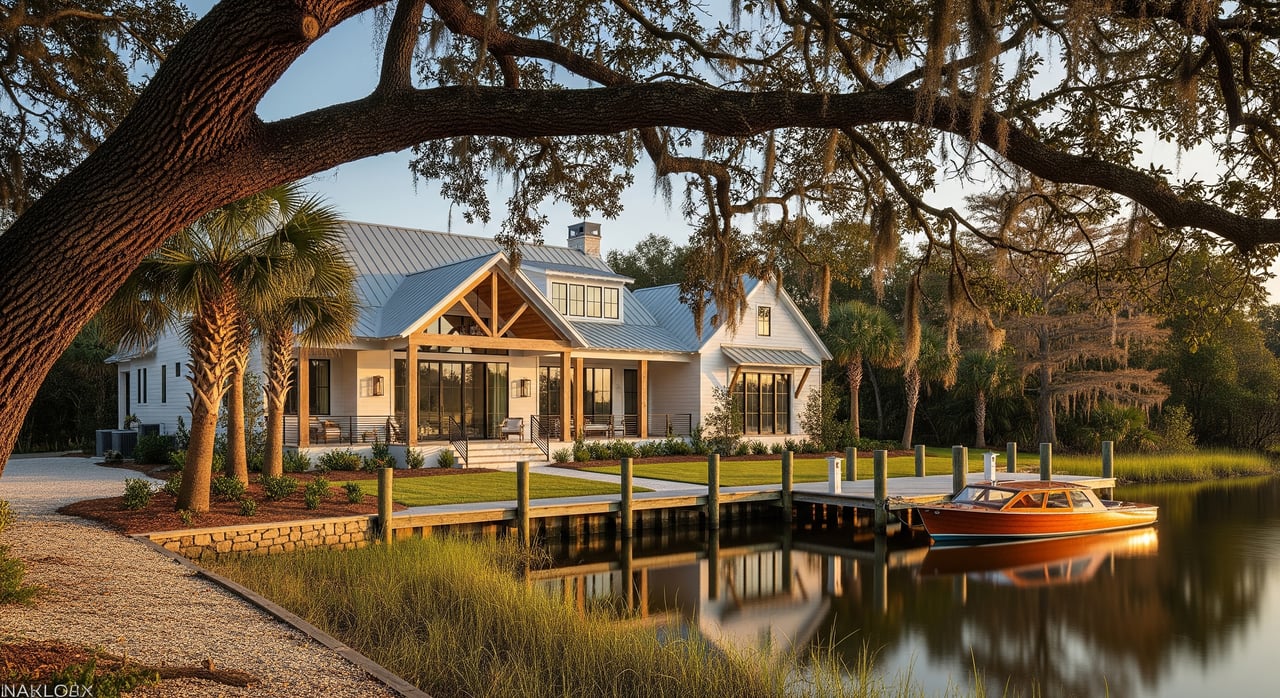
Riverfront homes concentrate along the St. Johns River and its tributaries, including areas near Green Cove Springs. Buyers seek water views, boat access, and outdoor living, often with docks or boat lifts where permitted. Lot sizes range from compact in-town parcels to larger rural tracts.
Waterfront comes with unique risks and maintenance. Flood exposure, shoreline erosion, and dock or bulkhead upkeep are common concerns. Many riverfront homes face higher flood insurance requirements, and elevation certificates can help clarify premium impacts.
Due diligence checklist for riverfront
- Request documentation for dock, lift, and bulkhead permits, plus repair history.
- Check FEMA flood maps and obtain an elevation certificate if available.
- Ask about past flooding or erosion and any mitigation projects.
- Learn local rules for docks, setbacks, and shoreline stabilization.
Costs and ownership factors to compare
HOAs and CDDs
In planned communities, factor both HOA dues and any CDD assessments into your budget. Review the association budget and reserves to understand maintenance and amenity plans. In established subdivisions, fees can be lower or not present, but amenities may also be limited.
Property taxes and homestead
The Clay County Property Appraiser sets assessed values and handles homestead exemption for primary residences. Review assessed value, tax history, and any special assessments to estimate yearly costs. Filing for homestead can reduce tax liability if you qualify.
Flood insurance and risk
Riverfront and low-lying properties can fall within FEMA flood zones. Get quotes for NFIP or private flood insurance early in the process. If an elevation certificate shows the structure sits above base flood elevation, premiums may be lower than expected.
Wells, septic, and utilities
Many rural and some riverfront parcels use septic and well systems. Inspection, age, capacity, and water quality testing are essential. In suburban and planned areas, verify central water and sewer availability and ask about tap fees or pending utility projects.
Tradeoffs at a glance
- Planned communities: amenities, modern homes, and central utilities, but smaller lots and added HOA or CDD costs.
- Established subdivisions: mature landscaping and varied styles, but fewer amenities and more variability in maintenance.
- Rural acreage: privacy and space for animals or outbuildings, but well and septic responsibilities and longer commutes.
- Riverfront: recreation and views, but flood risk, higher insurance, and shoreline maintenance.
How to choose your best fit
Start with your day-to-day priorities. If you value community amenities and easier upkeep, a planned neighborhood may suit you. If you want character and mature trees, look at established subdivisions. If you need space for hobbies or horses, focus on acreage. If boating and sunsets are the goal, narrow in on riverfront and plan for flood research and dock care.
Think through commute time and utility preferences. Confirm school assignments with the Clay County School District if that matters to your household. Then layer in ownership costs from HOAs, CDDs, insurance, and property taxes to see the full picture.
Local resources for deeper research
Use these Clay County resources to validate a specific address or parcel:
- Clay County Property Appraiser for assessed value, tax history, and homestead details.
- Clay County Clerk or Records for plats, covenants, and deed history.
- Clay County GIS and Mapping for parcel boundaries, flood layers, and zoning overlays.
- Clay County Building and Permitting for permit history and code compliance.
- Clay County Utilities or local providers for water and sewer service areas and fees.
- Clay County Planning and Zoning or Office of Growth Management for zoning designations and future land use.
- Clay County Health Department or Florida Department of Health for well and septic records.
- FEMA Flood Map Service Center for official flood zone information.
- St. Johns River Water Management District and Florida Department of Environmental Protection for dock and shoreline permits.
Ready to compare real homes in each setting or tour communities virtually if you are out of town? Connect with Leslie Smith for hyperlocal guidance, private showings, and digital-first support. Schedule your free neighborhood consultation, and move forward with clarity and confidence.
FAQs
What are CDDs in Clay County and how do they affect buyers?
- A Community Development District finances infrastructure and amenities, and owners pay an annual assessment that increases total carrying costs, so you should confirm the amount and bond term during due diligence.
How do flood zones impact riverfront home insurance in Clay County?
- Riverfront and low-lying parcels may be in FEMA flood zones, which can require flood insurance, so obtain an elevation certificate and quotes early to understand premiums.
What should you check for wells and septic on rural acreage in Clay County?
- Schedule septic and well inspections, review pump and maintenance records, and test water quality, since many rural parcels rely on private systems.
Are HOAs common in Clay County’s planned communities?
- Yes, most master-planned neighborhoods have HOAs that set covenants and collect dues, and many also include CDD assessments that help fund amenities and infrastructure.
How do lot sizes differ between planned neighborhoods and acreage properties?
- Planned communities tend to have smaller suburban lots, often under one-half acre, while rural areas commonly offer multi-acre parcels suited for privacy or agricultural use.
Which local offices help you research a specific Clay County property?
- Check the Clay County Property Appraiser, Clerk of Court, GIS and Mapping, Building and Permitting, Planning and Zoning, Clay County Utilities, the Health Department, FEMA flood maps, and regional water management and environmental agencies.