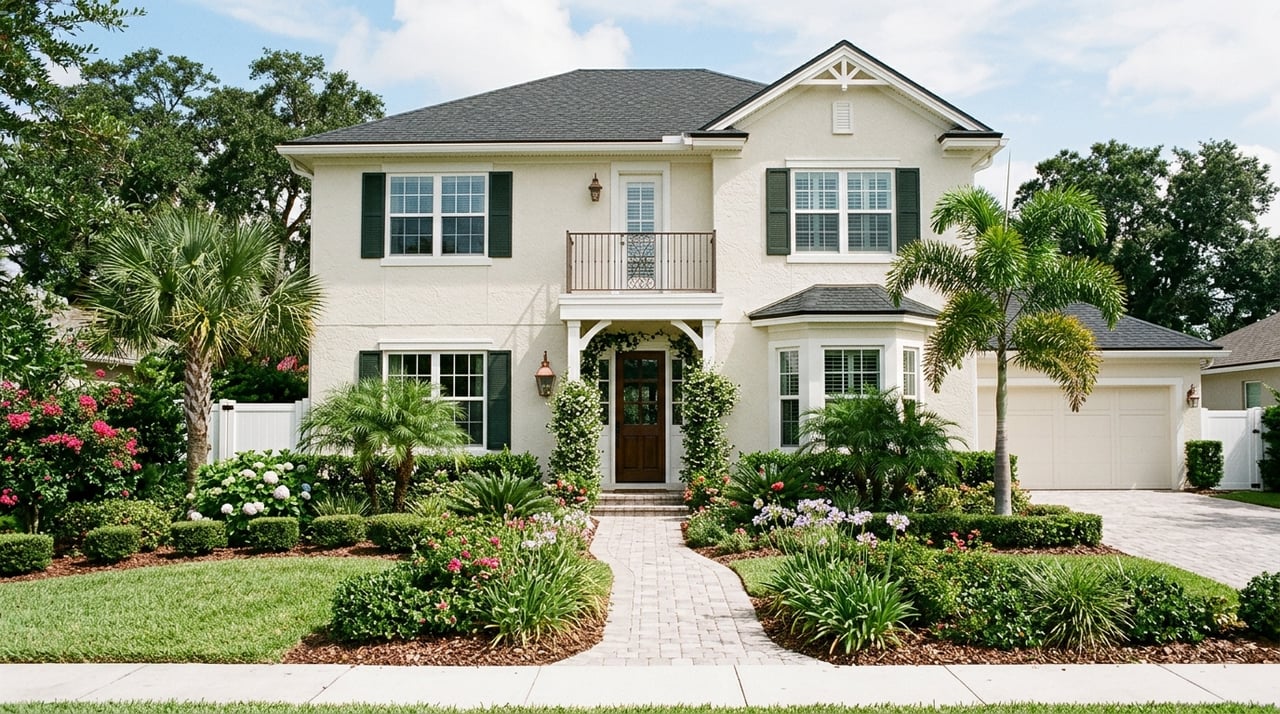
Selling your home for the first time can feel exciting and stressful at the same time. You want a strong price, a smooth timeline, and fewer surprises, especially in a Jacksonville market that is active but no longer moving at peak-frenzy speed. The good news is that with the right prep, pricing, and guidance, you can make smart decisions from day one. Let’s dive in.
What Jacksonville sellers should know now
If you are selling in Jacksonville, it helps to start with the current market picture. According to NEFAR’s April 2026 data, Duval County’s median single-family sale price was $332,500, median time on market was 33 days, and supply stood at 3.7 months.
That tells you two important things. First, buyers are still active. Second, pricing and presentation matter more in a balanced market because buyers usually have more options than they did during the hottest years.
You should also remember that market conditions can vary even across nearby areas. NEFAR reports different price points and days on market in counties close to Jacksonville, which is why neighborhood-level pricing is so important when you list.
Build your selling timeline first
Many first-time sellers focus only on the day the home goes live. In reality, your timeline should include three phases: preparation, active listing time, and closing.
In Duval County, median time on market was 33 days in April 2026. That does not include the work you may need to do before listing, such as repairs, cleaning, staging, photos, and paperwork, and it does not include the closing period after you accept an offer.
A simple way to plan is to break your sale into steps:
- Pre-list preparation
- Pricing and marketing setup
- Showings and open houses
- Offer review and negotiation
- Inspection and appraisal period
- Final closing review and signing
When you plan this out early, you reduce last-minute stress. You also give yourself more flexibility if your move depends on buying another home, relocating, or coordinating with work and family schedules.
Prepare your home to make a strong first impression
First impressions matter online and in person. Buyers often decide how they feel about a home within moments of seeing the photos or walking through the front door.
NAR describes staging as decluttering and presenting a home so buyers can picture themselves living there. In its 2025 staging guide, 83% of buyers’ agents said staging made it easier for buyers to visualize a property as their future home, and about half of seller agents said staging reduced time on market.
That does not mean you need a full redesign. For many Jacksonville sellers, the biggest wins come from simple, practical updates that help the home look clean, bright, and cared for.
Focus on the basics first
Start with the areas buyers notice most. Clean windows, carpets, and walls. Handle minor repairs, touch up paint, and remove bulky furniture that makes rooms feel smaller.
You should also pack away highly personal items and extra clutter. A cleaner, simpler space helps buyers focus on the home itself instead of your belongings.
Don’t forget outdoor spaces
In Northeast Florida, outdoor living can be a real selling point. NEFAR notes that yards, pools, and porches should be staged when possible.
That means mowing, trimming, pressure-washing walkways, and making entry areas feel welcoming. If you have a patio, porch, or pool area, make sure it looks ready to enjoy.
Price your home with local comps, not guesswork
For first-time sellers, pricing is often the hardest part. Price too high and buyers may pass it over. Price too low and you may leave money on the table.
NEFAR recommends using a comparative market analysis based on recent sales, your home’s condition, and local trends. That matters in Jacksonville because one area can behave very differently from another, even within the same metro.
A strong list price should reflect what buyers are actually paying for homes like yours right now. It should also account for your home’s updates, lot, condition, and how it compares to current competition.
Why overpricing can backfire
In a balanced market, buyers tend to notice when a home is priced above local expectations. If showings are slow or feedback points to price, you may need to adjust.
National seller data in the research report show that 21% of sellers reduced the asking price at least once. That is a reminder that the first price should be strategic, not aspirational.
Market your Jacksonville home the right way
Once your home is ready and priced well, marketing becomes the next key step. Your goal is to help serious buyers discover the home quickly and understand its value.
NEFAR highlights several marketing tools that can support a listing, including professional photography, drone shots, virtual tours, yard signs, social media, MLS exposure, and open houses. These tools work together to create strong visibility, especially for buyers who begin their search online.
For some Jacksonville areas, open houses can be especially useful. NEFAR notes they can work well in high-foot-traffic or historic areas like Riverside and Avondale.
Ask what is included in the listing plan
Your listing agreement should clearly spell out representation, services, sales price, and compensation. NEFAR also notes that compensation is fully negotiable.
As a first-time seller, it is smart to ask exactly how your home will be marketed, how showings will be coordinated, and how buyer interest will be tracked. Clear expectations early can make the process feel much more manageable.
Get ready for showings and buyer feedback
Once your home is live, flexibility helps. Buyers may want to tour the property on short notice, and the easier it is to show, the more opportunity you create.
Try to keep the home clean, bright, and easy to access. Open blinds, turn on lights if needed, and keep outdoor spaces neat so every showing feels like a strong one.
Feedback matters too. Comments from buyers and agents can reveal whether your condition, presentation, or pricing needs to be adjusted.
Understand offers beyond the price
The highest offer is not always the strongest offer. As a seller, you also need to look at financing strength, requested concessions, repair expectations, timing, and the likelihood of the deal reaching closing.
NEFAR recommends confirming that buyers are financially prepared, often by requesting a pre-approval letter. That step can help you avoid wasted time with buyers who are not ready to move forward.
Seller concessions are common
In Northeast Florida, seller concessions are common. NEFAR lists examples such as title-search or recording fees, loan origination costs, inspection or appraisal fees, HOA fees, and repair contributions.
This does not mean every buyer will ask for help, but it does mean you should be prepared to evaluate those requests as part of the full offer. Depending on the loan type, lender rules may limit the total concessions allowed.
Plan for inspection negotiations
Even well-maintained homes can raise questions during the inspection period. A home inspection may uncover repair issues, deferred maintenance, or items the buyer wants addressed before closing.
That does not automatically mean the deal is falling apart. It usually means both sides need to decide what is reasonable and how to keep the transaction moving.
If repairs come up, one option may be to offer a credit toward closing costs instead of completing the repair before closing. This can sometimes be a practical solution when timing is tight.
Know Florida disclosure requirements
Florida sellers have specific disclosure responsibilities, and first-time sellers should take them seriously. Good disclosure helps protect both sides and reduces the risk of problems later.
Florida law requires a flood disclosure for residential property at or before contract execution. The form asks about known flood damage during ownership, flood-related insurance claims, and flood-related federal assistance.
Florida also requires a property tax disclosure summary before the contract is executed. This is important because a buyer should not assume the current tax bill will stay the same after a sale.
If you know of a defect in the sanitary sewer lateral, Florida law also requires disclosure before the contract is executed. In general, honesty and completeness matter throughout the transaction.
Understand your agent relationship in Florida
Florida brokerage law presumes a transaction-broker relationship unless single agency is agreed to in writing. In practice, that means your agent must deal honestly and fairly, account for funds, use skill and diligence, present offers and counteroffers promptly, and disclose known material facts that are not readily observable.
For you as a seller, this means you should expect clear communication, timely updates, and professional handling of the details. It also makes it especially important to work with someone who knows the local process and can explain each step in plain English.
Budget for Jacksonville closing costs
Many first-time sellers focus so much on sale price that they forget to plan for closing expenses. Your net proceeds depend on more than the contract number.
The transfer of the deed in Florida is subject to documentary stamp tax. Outside Miami-Dade, the rate is 70 cents per $100 of consideration, and the tax is paid when the deed is recorded.
Closing costs can also include title insurance, title search, closing-agent fees, government taxes, and prepaid expenses such as property taxes and homeowners insurance. These costs can add up to thousands of dollars, so it is wise to review your expected net proceeds early in the process.
Review your settlement statement carefully
Before signing closing documents, review the settlement statement closely. Make sure the numbers match the agreed contract terms, credits, and any negotiated repairs or concessions.
If something looks off, ask questions before you sign. A careful final review can help you avoid an unpleasant surprise on closing day.
What to ask before hiring a listing agent
The right agent can make a major difference, especially if this is your first sale. NEFAR recommends asking whether the agent is a REALTOR®, what services they provide, whether they know the local market, what is included in the listing contract, how they arrived at the list price, how they will market the home, how they will vet buyers, and whether they can provide references.
For Jacksonville sellers, local knowledge matters. You want someone who understands neighborhood comps, communicates clearly, coordinates showings well, and can help you manage concessions, disclosures, and closing details in a market that is active but more balanced than it was a few years ago.
That is where experience and hands-on service can really help. With more than 30 years in the Jacksonville market, Leslie Smith brings the kind of local perspective, practical pricing guidance, and personal communication that can make your first sale feel much more straightforward.
If you are thinking about selling and want a clear plan built around your home, your timing, and your goals, Leslie Smith can help you take the next step with confidence.
FAQs
How long does it take to sell a home in Jacksonville?
- In Duval County, NEFAR reported a 33-day median time on market in April 2026 for single-family homes, but you should also allow extra time for pre-list prep and the closing period after accepting an offer.
What should first-time home sellers do before listing a Jacksonville home?
- Focus on cleaning, decluttering, minor repairs, touch-up paint, and improving curb appeal, while also making outdoor areas like porches, yards, or pool spaces look well maintained.
How do sellers price a home correctly in Jacksonville?
- A strong list price should be based on a comparative market analysis that looks at recent sales, the home’s condition, and current local market trends.
What disclosures are required for Florida home sellers?
- Florida requires a flood disclosure and a property tax disclosure summary before contract execution, and known sanitary sewer lateral defects must also be disclosed before the contract is executed.
What closing costs should Jacksonville sellers expect?
- Sellers may pay costs such as documentary stamp tax on the deed, title-related fees, closing-agent fees, government taxes, and prorated or prepaid property-related expenses.
Are seller concessions common in Jacksonville home sales?
- Yes, NEFAR notes that seller concessions are common in Northeast Florida and may include certain buyer closing costs, fees, or repair-related contributions, depending on the deal and loan rules.