Thinking about moving to Jacksonville but not sure if the city or the suburbs fit your life better? You are not alone. With a huge footprint and a range of neighborhoods, Jacksonville offers everything from walkable, historic streets to quiet, master-planned communities. In this guide, you will see the tradeoffs, commute realities, and lifestyle differences between living inside Jacksonville and nearby Clay County so you can choose with confidence. Let’s dive in.
Jacksonville at a glance
Jacksonville is a consolidated city-county, which means the City of Jacksonville and Duval County are one government. This creates a large municipal area with urban, suburban, and even rural pockets in one place, as described by the city’s overview of its consolidated structure. You get dense riverfront areas, historic neighborhoods, and exurban edges within the same city limits. You can explore that background on the city’s page about the consolidated government structure at the City of Jacksonville.
The population is sizable. The city crossed one million residents in 2024, with an estimated 1,009,833 people. Clay County, just to the southwest, is smaller at about 236,760 residents. You can see both estimates in U.S. Census QuickFacts for Jacksonville and QuickFacts for Clay County.
Housing costs have broad parity across the region with local differences by neighborhood. The median value of owner-occupied housing in Jacksonville is roughly $293,700 and the median gross rent is about $1,465. Clay County’s median owner value is about $312,500, which reflects its strong base of single-family homes and master-planned communities. You can review these figures in the Jacksonville QuickFacts and Clay County QuickFacts.
City living: walkable pockets
If you want a more walkable lifestyle, focus on Jacksonville’s historic urban areas. Riverside, Avondale, San Marco, Springfield, LaVilla, and parts of Downtown offer older homes, independent shops, and short-errand convenience. Overall, Jacksonville is car dependent, but these neighborhoods stand out with higher walkability. Check neighborhood-level walk scores on Walk Score’s Jacksonville page.
These pockets often feature bungalow and Mediterranean-revival homes, café streets, markets, and access to riverfront paths. They are popular with buyers who value character homes, nearby dining, and a low-stress local routine. Because the city covers so much ground, these walkable areas are a small share of all housing but carry a distinct lifestyle appeal.
Riverfront and downtown life
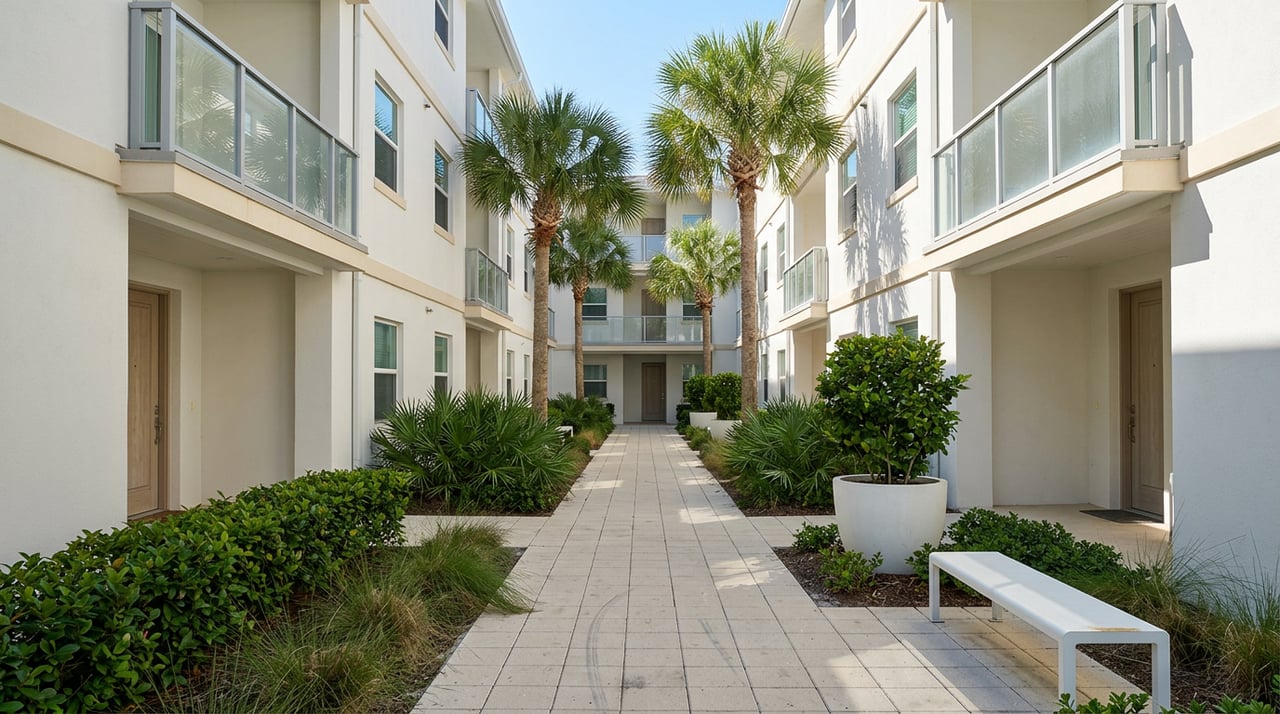
Downtown and the Southbank corridors cluster more apartments and condos near employment centers, venues, and the riverwalk. You get proximity to offices and events, plus access to the St. Johns River. This setting suits you if you want a lock-and-leave condo, cultural access, and shorter trips to downtown jobs. Given Jacksonville’s size, these denser options are concentrated, but they continue to evolve with streetscape and transit investments.
Suburbs in Duval and Clay
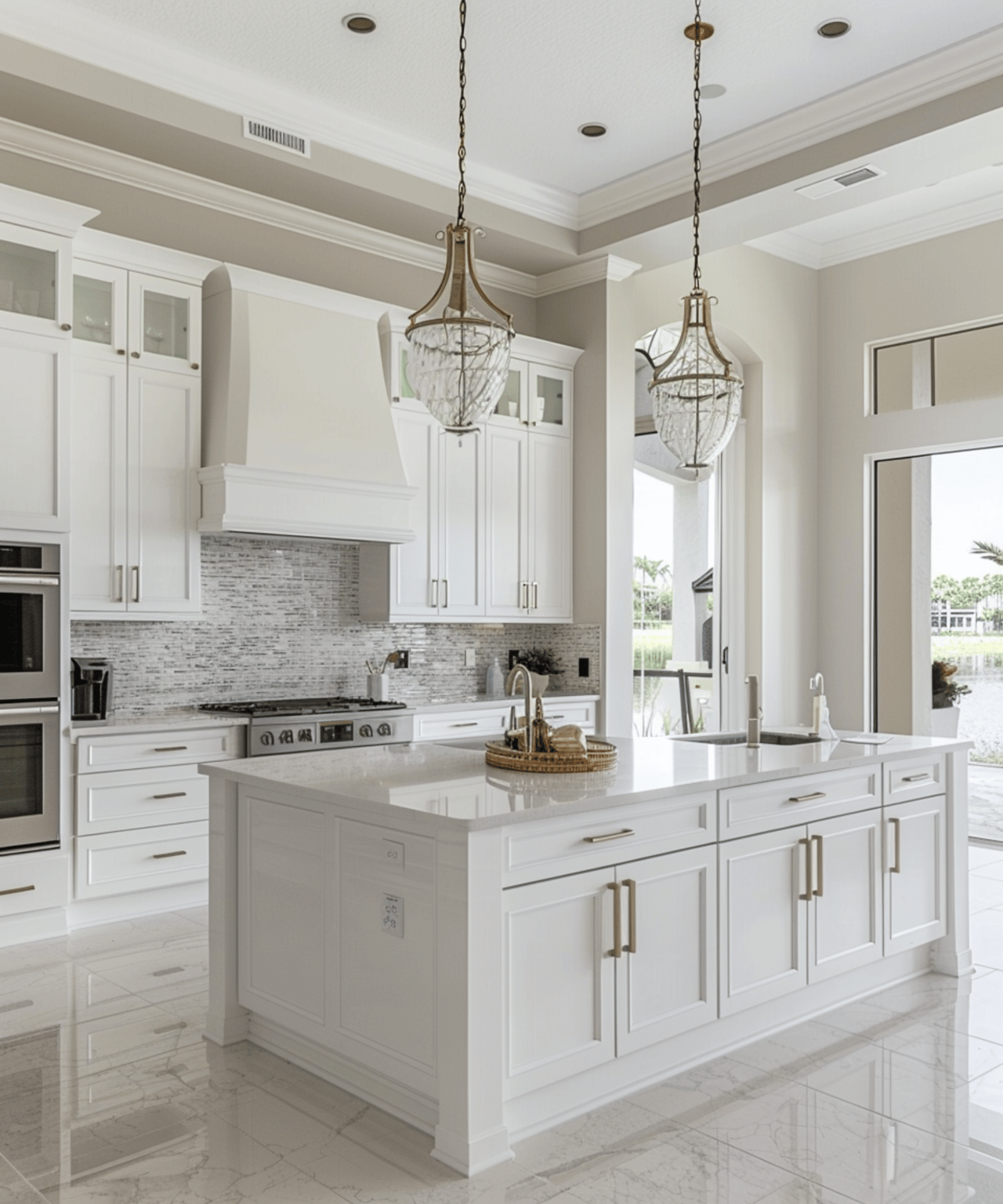
If you prefer more space and newer homes, explore suburban neighborhoods in Southside, Mandarin, Julington Creek, and Baymeadows within or near city limits, along with communities just outside in Clay County such as Orange Park, Fleming Island, Oakleaf Plantation, and Middleburg. Clay County often attracts buyers who want larger lots, newer construction, and a quieter setting at a given price point. Census comparisons show a strong owner-occupied share and a median home value that signals a deep single-family market in Clay County QuickFacts.
The common tradeoffs are straightforward:
- Urban pockets offer walkability, dining, and short local errands. See neighborhood data on Walk Score’s Jacksonville page.
- Suburbs provide yard space, newer floor plans, and often larger lots at similar prices, as reflected in Clay County QuickFacts.
- Product variety is wide. Inside Jacksonville you will find everything from historic riverfront homes to new luxury townhomes, while Clay features many master-planned communities. A regional snapshot of sectors and growth patterns is summarized in the JAXUSA regional facts.
Commute and bridges
Commute time is a key difference for many buyers. The average travel time to work in Jacksonville is about 24.1 minutes. In Clay County the average is about 31.3 minutes. That gap often shows up in daily life, especially if your job is close to downtown or a major medical campus. You can confirm both figures in Jacksonville QuickFacts and Clay County QuickFacts.
Roadway geography matters. Three interstates shape local driving: I-95, I-10, and the I-295 beltway. Multiple St. Johns River crossings, including the Dames Point, Hart, Main Street, Mathews, Fuller Warren, and Buckman bridges, can be pinch points at peak times. Many drivers use the I-295 beltway and Dames Point crossing to bypass central congestion. For an overview of the beltway layout and connections, see the I-295 route guide.
Transit basics
Public transit serves core corridors better than outlying suburbs. The Jacksonville Transportation Authority (JTA) operates city buses, the First Coast Flyer bus rapid transit lines, and the Jacksonville Regional Transportation Center, which links bus, BRT, and Skyway services. JTA is also modernizing downtown mobility with the Ultimate Urban Circulator program. You can learn more about the hub and modernization plans at JTA’s JRTC and U²C overview. If you live close to these corridors, transit can support a car-light life. In many suburban areas you will likely rely on a personal vehicle.
Jobs and regional context
The Jacksonville area is a regional hub for healthcare, logistics and port operations, finance, and military-related employment. Major employers include well-known healthcare systems, educational institutions, and warehouse and distribution centers. Job centers are spread across the region, which is why some suburban residents commute into the city. A concise overview is available in the JAXUSA factsheet.
Schools and how to research
Duval County Public Schools and Clay County District Schools operate as separate districts. DCPS emphasizes magnet and choice programs, and both districts publish performance and graduation data on their official sites. Because school assignment and program options vary school by school, the best approach is to review the specific schools for any home you are considering and confirm assignments directly with the district. You can start with the Duval County Public Schools site.
For a balanced plan, consider this process:
- Identify the three neighborhoods that fit your budget and lifestyle.
- Confirm the assigned schools for each address and review school-level information.
- Tour the schools and speak with administration if that is part of your decision.
Beaches and weekend life
The Atlantic beaches are part of everyday life for many locals. From central or downtown Jacksonville, the beaches are typically about a 20 to 35 minute drive in normal traffic depending on your starting point and route. For a sense of the drive, review this overview of Jacksonville to Jacksonville Beach drive times.
Inside the city, the St. Johns River is a defining feature, with riverwalks in downtown and San Marco. Across the region you will find large preserves, golf, and neighborhood parks. For ideas and a quick pulse on local activities, browse this curated list of things to do in Jax.
Risks and insurance checks
Flood and storm surge risk vary by address, especially in low-lying riverfront and coastal areas. Some parts of downtown and the Southbank have seen drainage improvements, but risk can change block by block. Before you write an offer, review FEMA flood maps, check local elevation, and discuss insurance with your carrier. Plan a visit during or after heavy rain to see how water moves through the area.
Decision checklist
Use this simple approach to compare city and suburb living:
- List your priorities. Walkability, yard size, newer homes, schools, commute time, and budget are common drivers.
- Map your commute. Test-drive routes at peak times. Jacksonville averages about 24.1 minutes, Clay County about 31.3 minutes, but your route and bridge crossing can shift that up or down.
- Check the neighborhood fit. Visit morning, afternoon, and evening to get a feel for traffic, noise, and daily convenience.
- Verify schools. Confirm assignments and program options at the school level through district resources.
- Review flood and insurance. Pull flood maps, ask for past insurance premiums if available, and factor this into your total monthly cost.
Ready for local guidance?
Whether you want a walkable bungalow near the river or a newer home with a big backyard, you have great options in Jacksonville and Clay County. If you want a local who can translate commute nuances, neighborhood history, and pricing into a clear plan, reach out to Leslie Smith to schedule your free neighborhood consultation.
FAQs
What is the main difference between city and Clay County living?
- Inside Jacksonville you find walkable historic pockets and riverfront condos, while Clay County skews toward newer single-family homes and master-planned communities with more yard space.
How long are average commutes in Jacksonville vs Clay?
- Jacksonville’s mean commute is about 24.1 minutes, while Clay County’s is about 31.3 minutes, based on U.S. Census QuickFacts averages.
Which Jacksonville neighborhoods are most walkable?
- Riverside, Avondale, San Marco, Springfield, LaVilla, and parts of Downtown rank higher for walkability, according to Walk Score’s Jacksonville page.
Are home prices very different between Jacksonville and Clay?
- Headline medians are similar, with Jacksonville around $293,700 and Clay County around $312,500, though prices vary widely by neighborhood and home type.
How close are the beaches if I live downtown or in Clay County?
- From central or downtown Jacksonville, beaches are typically a 20 to 35 minute drive in normal traffic; Clay County adds time depending on your route and bridge crossing.
Does Jacksonville have useful public transit for commuting?
- JTA runs city buses, First Coast Flyer BRT lines, and the JRTC hub that connects services. Transit is most helpful near core corridors, while many suburban commuters drive.