Trying to decide between a home in Jacksonville or in Clay County? You are not alone. Many buyers weigh more space and newer communities against drive time to Jacksonville job centers, daily costs, and access to services. In this guide, you will get a clear, practical way to compare housing, commuting, taxes, insurance, and lifestyle across both counties so you can choose with confidence. Let’s dive in.
What changes when you cross the county line
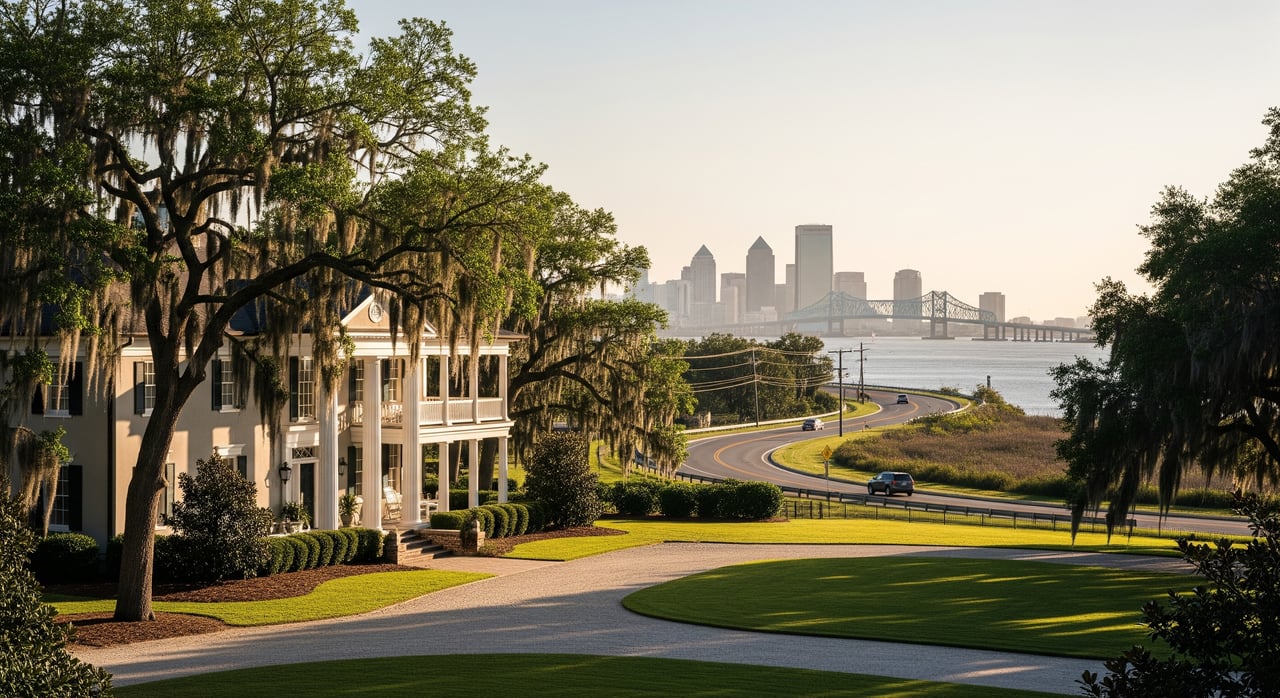
Clay County sits southwest of Jacksonville and feels more suburban and exurban. You will see many single-family subdivisions, larger lots in some areas, and a quieter pace in places like Fleming Island, Orange Park, Middleburg, and Green Cove Springs. Jacksonville in Duval County offers a mix of urban neighborhoods, historic districts, and large suburban areas closer to major employment nodes.
If you work in downtown Jacksonville, the Southside office and medical corridors, or near NAS Jacksonville, living in Duval can shorten your commute. If you want a newer home, a yard, or a master-planned community feel, Clay may offer more choices at a given price point. The right answer depends on your specific destination, budget, and day-to-day routine.
Housing choices and costs
Jacksonville offers the broadest range of housing types. You can choose from downtown condos and lofts, historic homes in Riverside and Avondale, suburban subdivisions in Southside and Mandarin, and townhomes or apartments in many corridors. The result is a wide spread of prices and property ages within a relatively short drive of major employers.
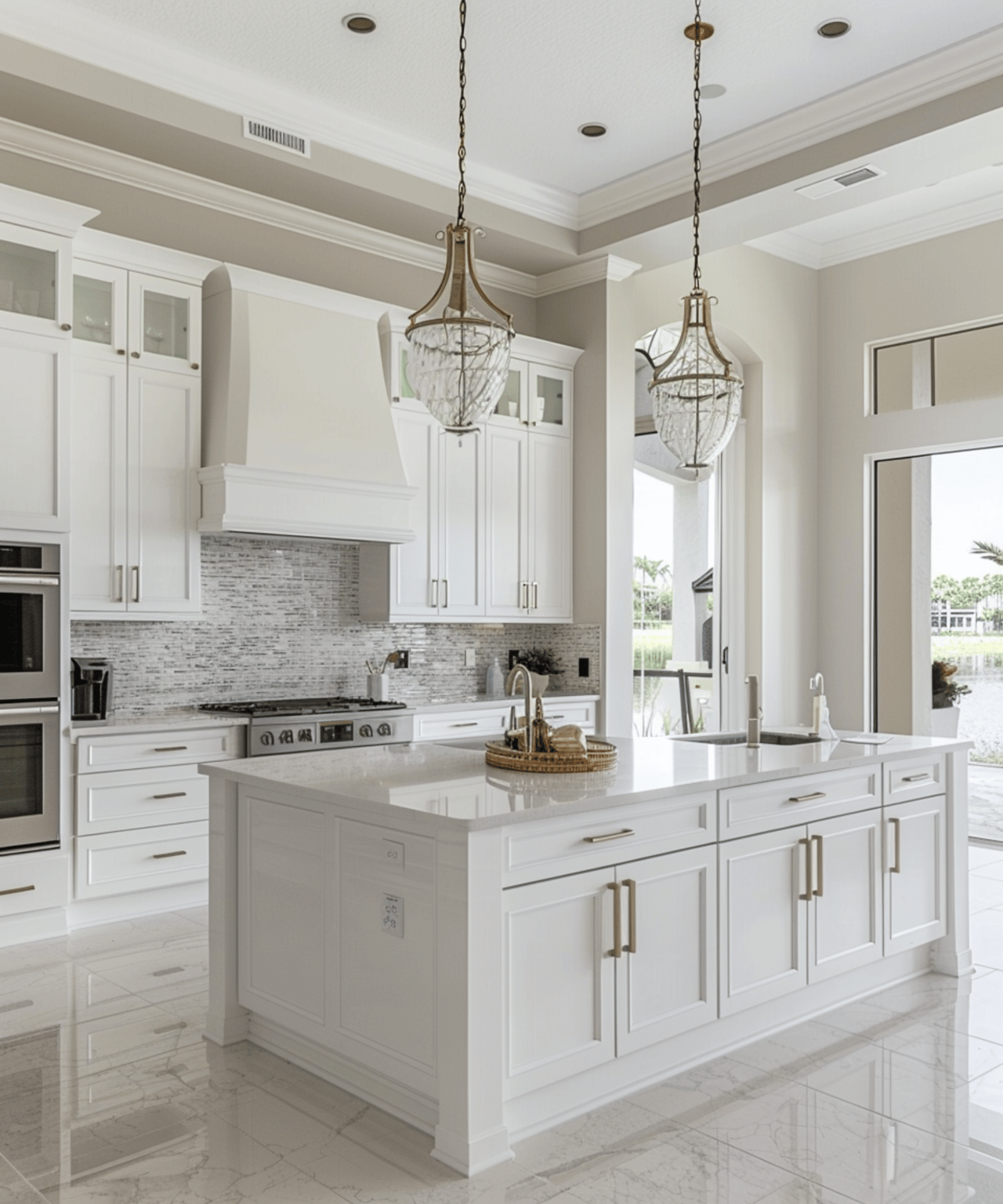
Clay County is more heavily single-family and subdivision driven. You will find many homes built in the last 20 to 30 years, plus waterfront options near the St. Johns River in areas like Fleming Island and Green Cove Springs. Many buyers who prioritize newer construction and planned amenities start their search here.
Prices vary by neighborhood in both counties. Some Clay communities command premiums for larger family homes, while many Duval neighborhoods close to jobs and services have strong demand that pushes pricing as well. To compare affordability in real time, review county-level and neighborhood-level data from your local MLS and Realtor association reports. You can also track trends through Florida Realtors and the Northeast Florida Association of Realtors market updates.
How to check current pricing
- Review monthly county reports from the Northeast Florida Association of Realtors and Florida Realtors for median prices, inventory, and days on market.
- Ask your agent to pull a matched set of comps by home type, size, and age in your target neighborhoods across both counties.
- Look at price per square foot and time on market for similar homes, then adjust for HOA dues, taxes, and insurance to see the full monthly cost.
Taxes, HOA dues, and insurance
Recurring costs can swing the monthly budget as much as the sale price. Property tax rates differ by county and taxing district. You can view millage rates and sample bills on the Duval County Property Appraiser and Clay County Property Appraiser websites. Many Clay subdivisions have HOAs that fund amenities and common-area maintenance, while some older Jacksonville neighborhoods may have no HOA. Always factor dues into your payment.
Insurance is another key variable. Both counties face hurricane risk, and flood risk is parcel specific. If a property is in a FEMA Special Flood Hazard Area, your lender will require flood insurance, which raises carrying costs. Use the FEMA Flood Map Service Center to look up the flood zone for any address and review county-level insurance trends through the Florida Office of Insurance Regulation. A quick consultation with a local insurance agent can give you realistic premium ranges for the short list of homes you are considering.
Commute patterns and drive times
Both counties are highly car dependent. County-level American Community Survey data show that most commuters drive alone, and median travel times reflect when and where people work. You can review county comparisons in the ACS table for Travel Time to Work to understand typical patterns.
If you live in Clay and work in Jacksonville, your routes likely include Blanding Boulevard or US 17 toward I-295, then to I-95 or other connectors. Peak congestion often builds where these corridors meet interchanges and river crossings. Travel times vary a lot by time of day and destination, so a 20-minute off-peak drive can extend significantly at rush hour.
If you live in Duval closer to job centers, you can often save time on the road, but you may trade off lot size or pay a higher price per square foot for certain neighborhoods. Balancing these factors starts with testing your actual commute.
A simple commute test
- Map your most common route, like Fleming Island to Downtown Jacksonville or Orange Park to the Southside medical complex.
- Drive it during your real commute window on at least two weekdays.
- Repeat the route off peak to understand the full range you are likely to experience.
- Add up fuel, tolls if any, and the value of your time to compare against housing tradeoffs.
Transit and car-free options
Public transit is more available within Jacksonville than in Clay. The Jacksonville Transportation Authority runs most service within Duval, with limited regional connections. If you expect to rely on buses or park-and-ride options, study JTA routes and services carefully. In Clay, auto travel remains the primary mode for most commuters, and bicycling tends to be local rather than a cross-county solution.
Future projects that may change commutes
The First Coast Expressway, also known as SR 23, is a multi-phase project that adds a western beltway around the metro area. As segments open, the expressway is expected to provide new north-south options and may alter travel times and development patterns on the west side of Clay and Duval. You can follow updates on the Florida Department of Transportation projects page and through regional planning documents. As you plan a move with a time horizon of five to twenty years, it is smart to consider how these improvements might affect your specific route.
Lifestyle and amenities
Jacksonville offers a wide lineup of urban amenities, including restaurants, arts and culture, major hospitals, and professional services. Many neighborhoods also provide access to parks and riverfront areas, with more transit and rideshare availability. Clay County emphasizes a suburban lifestyle with neighborhood parks, community amenities, and access to boating and leisure on the St. Johns River and nearby lakes. Newer retail hubs in master-planned areas can add convenience close to home.
How to compare neighborhoods step by step
Use this simple process to get real clarity between your short-list areas on each side of the county line.
- Define your daily destinations
- List your top two commute destinations and typical travel windows. Include school pick-up or regular activities if relevant.
- Check commute time and reliability
- Drive each route during your actual peak. Save the results and compare to the ACS Travel Time to Work distribution for a reality check.
- Compare pricing apples to apples
- Ask your agent for matched comps by home type, size, age, and condition in your target Clay and Duval neighborhoods.
- Review county and monthly market reports from NEFAR and Florida Realtors for context on inventory and competitiveness.
- Add taxes, HOA dues, and insurance
- Pull sample bills through the Duval Property Appraiser and Clay Property Appraiser.
- Verify flood zones with the FEMA Map Service Center and discuss likely premiums with a local agent using county trends from the Florida Office of Insurance Regulation.
- Review schools with official sources
- School quality varies by neighborhood in both counties. Use Florida’s accountability reports through the Florida Department of Education and district resources to verify boundaries and performance.
- Walk the neighborhood
- Visit at different times of day. Note traffic flow, access to shopping, parks, and services, and how the area feels during your regular routine.
Which fit is right for you
Choose Clay County if you want newer single-family communities, a quieter suburban setting, and you can accept a longer drive to Jacksonville job centers. Many buyers who plan to work hybrid or remote also find Clay attractive, since they commute fewer days each week. Just be sure to budget for HOA dues and confirm commute times to your specific destinations.
Choose Jacksonville if you prefer shorter commutes to downtown, the Southside medical and office districts, NAS Jacksonville, or other core job hubs. You will find more housing variety, from historic single-family homes to condos and townhomes, plus more transit access and urban amenities. Expect smaller lots in dense areas and consider the tradeoff between convenience and space.
If you are on the fence, pick two neighborhoods in each county that meet your budget and lifestyle targets. Run the commute test, total up monthly costs including insurance and dues, and walk each area at least twice. The right answer will usually become clear when you ground the decision in your real routine.
Ready to compare your short list with local insight and up-to-the-minute data? Reach out to Leslie Smith to map homes, commutes, and total monthly costs side by side. Schedule your free neighborhood consultation.
FAQs
What are the main commute corridors from Clay County to Jacksonville?
- Most Clay-to-Jacksonville commuters use Blanding Boulevard, US 17, I-295, and connections to I-95, with peak delays near interchanges and river crossings.
How car dependent are Jacksonville and Clay County?
- Both counties are highly car dependent. County-level ACS data show that driving alone is the dominant commute mode across the region.
Where can I find reliable commute time data by county?
- Use the U.S. Census Bureau’s ACS Travel Time to Work table to compare median minutes and time ranges for Duval and Clay.
How do I compare property taxes between Duval and Clay?
- Check sample bills and millage rates on the Duval County Property Appraiser and Clay County Property Appraiser sites for similar properties.
Will the First Coast Expressway change my commute from Clay?
- It may. The SR 23 project will add a western beltway that could alter travel patterns. Monitor the FDOT projects page for updates and timelines.
What about flood risk and insurance costs in both counties?
- Flood risk is parcel specific. Verify zones on the FEMA Flood Map Service Center and consult the Florida Office of Insurance Regulation for statewide and county trends.
Where can I see current housing market trends by county?
- Review monthly and quarterly reports from the Northeast Florida Association of Realtors and Florida Realtors for inventory, pricing, and days on market.