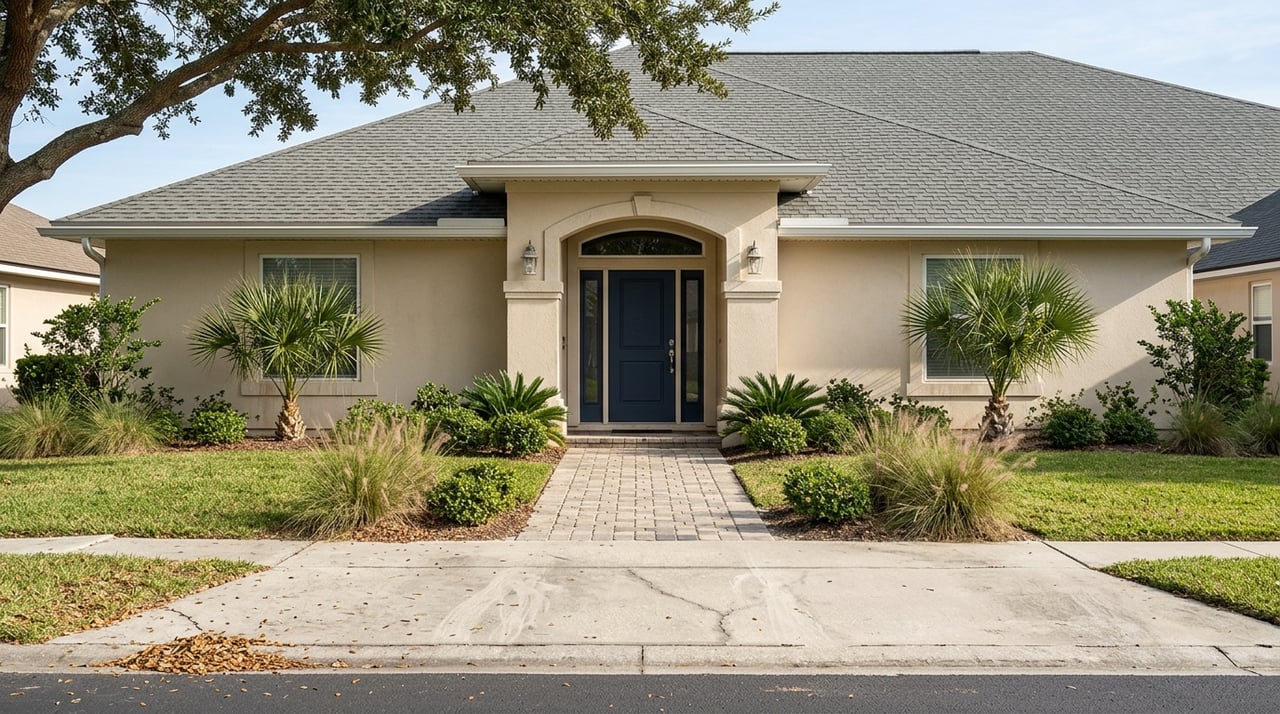
Losing a loved one is hard enough. Figuring out what to do with their home can make an already emotional time feel even heavier. If you are selling an inherited home in Clay County, the process usually comes down to three things: legal authority, smart pricing, and clear next steps. Let’s dive in.
Start With Legal Authority
Before you think about photos, repairs, or listing dates, you need to confirm who has the legal right to act. In Clay County, if the person who passed away owned the property in their name alone, the estate generally must go through probate to transfer title.
The Clay County Clerk also notes that the small-estate option is not available when real property is part of the estate. That means many inherited-home sales start with probate, even when the family hopes for a simple transfer.
Florida law also requires the original will to be deposited with the clerk in the proper county within 10 days after the custodian learns of the death. Probate venue is generally the county where the person who passed away lived.
Who Can Sign for the Sale?
In many inherited-home sales, the personal representative is the person with authority to move the sale forward. Under Florida law, that person may be able to sell estate property without court confirmation if the will gives a specific or general power of sale.
If the will does not give that power, the court may need to authorize or confirm the sale before title can pass. This is one of the most important early questions to answer, because it affects your timeline, closing schedule, and buyer expectations.
Local Help for Probate Questions
The Clay County Clerk cannot give legal advice, but the county does offer a Low Bono Program for probate matters, including remote appointments with licensed attorneys. For families trying to keep costs reasonable or manage things from out of town, that can be a useful local resource.
Secure the Property Early
Once you know who is handling the estate, the next step is protecting the home and keeping it sale-ready. This matters even more if the property will be vacant for a while or if heirs live in different states.
A practical first-round checklist often includes:
- securing doors, windows, and garage access
- forwarding mail or checking it regularly
- confirming utilities are on if needed for inspections or showings
- removing valuables and important documents
- documenting the home’s condition
- deciding who will be the main point of contact
When several family members are involved, small delays can turn into major stress. One decision-maker and written updates can help keep inspections, clean-out, repairs, and closing tasks on track.
Prepare the Home for the Market
With inherited property, sellers often wonder whether they should renovate, sell as-is, or do just enough to make the home presentable. In Clay County, current market conditions point toward a practical middle ground in many cases.
Market data shows pricing sensitivity, with some homes taking price reductions or selling below list. That means a full, expensive renovation may not always be the best move. A clean, well-presented home with obvious issues addressed can often make more sense than over-improving.
The Clay County Property Appraiser says condition is a primary factor in estimating market value. For inherited homes, that supports a simple sequence: remove personal items, clean thoroughly, take care of visible repairs, and then decide whether to sell as-is or with limited updates.
Focus on the Improvements That Matter Most
For many sellers, the best return comes from basic preparation rather than major construction. You may want to focus on:
- clean-out and trash removal
- deep cleaning
- yard cleanup
- paint touch-ups where needed
- fixing leaks, broken fixtures, or damaged flooring
- making the home easy to photograph and show
This kind of prep helps buyers see the property clearly. It can also support stronger pricing in a market where condition and presentation still matter.
Price From Local Comps, Not Emotion
One of the biggest mistakes families make is pricing from memory, emotion, or what they think the home should be worth. Inherited homes need to be priced from nearby comparable sales, current competition, and actual condition.
Clay County market numbers are helpful, but they are directional, not interchangeable. Redfin reported a March 2026 median sale price of $350,000 and median 86 days on market. Zillow reported an average home value of $333,593 and about 56 days to pending. Realtor.com reported a median listing price of $359,900 and 51 median days on market.
Those figures show a market in the mid-$300,000s, but they do not tell you what your inherited home is worth on their own. A house in Fleming Island may compete in a different price range than one in Green Cove Springs or Middleburg.
Clay County Submarket Differences Matter
City-level values show clear variation inside the county. Zillow reports roughly $438,000 in Fleming Island, about $337,000 in Green Cove Springs, and about $324,000 in Middleburg.
That is why countywide averages can only take you so far. An inherited home should be priced from local comps, neighborhood condition, and the property’s actual updates and maintenance level.
Watch for Pricing Sensitivity
Current data also points to a market where buyers notice value quickly. Redfin reported that 30.6% of Clay County homes had price drops, while Realtor.com showed a sale-to-list ratio around 99%.
That tells you two things. First, buyers are still active. Second, overpricing can cost you time and force reductions later.
Understand Taxes and Basis Before You List
Many families want to know what they may owe before the property hits the market. While tax questions should be reviewed with a qualified tax professional, there are a few key points that can shape your planning.
For federal tax purposes, inherited property generally receives a stepped-up basis equal to the fair market value on the date of death, or the alternate valuation date if the estate elects that option. If the property is sold later, gain or loss is measured against that basis.
Inherited capital assets are also generally treated as long-term when sold, regardless of how long you personally held the property. If an estate tax return is required and a beneficiary receives Schedule A of Form 8971, the basis may need to match the estate-tax value.
Property Taxes and Homestead Changes
If ownership changes after a death, property tax details may shift too. The Clay County Property Appraiser says taxes are based on taxable value multiplied by the millage rate, with values assessed as of January 1 each year and TRIM notices typically mailed in mid-August.
The office also says that a loss of homestead eligibility or a change in ownership removes the Save Our Homes benefit and causes reassessment to just value. If an heir plans to keep the home as a primary residence instead of selling it, a new homestead application is required, and the initial filing deadline is March 1.
Know What Happens at Closing
Closing an inherited home sale can involve a few details that surprise families, especially if this is their first probate-related transaction. In Clay County, the Recording Department handles deed recording and offers e-recording, which can be helpful for remote heirs and out-of-area sellers.
Recorded documents still need to meet county requirements. According to the clerk, deeds must be properly acknowledged, include a prepared-by statement, and follow county formatting rules.
Documentary Stamp Tax Basics
Florida documentary stamp tax often comes up at closing. The Florida Department of Revenue says deeds that transfer an interest in Florida real property are generally taxed at 70 cents per $100 of consideration in counties outside Miami-Dade.
The same guidance states that a personal representative’s deed given under a duly probated will is generally not subject to tax. The Clay County Clerk collects documentary stamps when the deed is recorded.
A Simple Clay County Workflow
When families feel overwhelmed, it helps to break the sale into manageable steps. Inherited-home sales in Clay County often move more smoothly when you treat them as a title-and-communication project first, and a marketing project second.
A practical workflow looks like this:
- Confirm whether probate is required.
- Identify who has authority to sign.
- Secure the property.
- Sort personal belongings and important papers.
- Decide on clean-out, repairs, and as-is strategy.
- Price the home from nearby comps and condition.
- Coordinate showings, offers, and closing documents.
- Finalize recording and post-closing details.
If family members live in different places, strong communication is essential. One point of contact, written decisions, and a local agent who can keep the process organized can make a stressful situation feel much more manageable.
If you are sorting through an inherited home in Clay County, you do not have to figure it all out alone. Leslie Smith brings more than 30 years of local market experience, hands-on communication, and practical guidance to help you move from uncertainty to a clear plan.
FAQs
Does an inherited home in Clay County have to go through probate?
- If the person who passed away owned the property solely in their name, the Clay County Clerk says the estate generally must go through probate to transfer title.
Who can sell an inherited house in Clay County?
- In many cases, the personal representative has authority to sell, but the exact process depends on whether the will gives a power of sale or whether court approval is required.
How should you price an inherited home in Clay County?
- The best approach is to use nearby comparable sales, the home’s condition, and the specific submarket rather than relying only on countywide averages.
Should you renovate before selling an inherited property in Clay County?
- In many cases, basic clean-out, cleaning, and visible repairs make more sense than a major renovation, especially in a market where buyers are price-sensitive.
What happens to property taxes after inheriting a home in Clay County?
- A change in ownership can remove homestead-related tax benefits and trigger reassessment to just value, according to the Clay County Property Appraiser.
Can remote heirs sell an inherited home in Clay County?
- Yes, but the process is usually easier when one person serves as the main contact and the family keeps decisions documented in writing. E-recording through the county can also help with remote coordination.