If you are wondering how long it really takes to sell a home in Jacksonville, the honest answer is this: it usually takes longer than a weekend and less time than many sellers fear. You want a clear plan, not guesswork, especially when timing your move, budgeting for repairs, or coordinating your next home. In this guide, you will see what a realistic home-selling timeline looks like in Jacksonville, where delays usually happen, and what you can do to keep your sale moving. Let’s dive in.
What a Jacksonville selling timeline looks like
In Jacksonville, the market is moving at a moderate pace, not a breakneck one. Recent market data shows homes are going pending in about 54 days on Zillow, while other sources report median time on market from about 71.5 to 84 days, depending on how the metric is measured. That means your timeline is best viewed as a range, not a single number.
For many sellers, the full process from first consultation to closing is usually measured in a few months. That includes time to prepare the home, list it, wait for the right offer, and then complete the closing period. If your buyer is financing the purchase, the contract-to-close phase often adds another 30 to 45 days after offer acceptance, according to Freddie Mac.
Pre-listing timeline in Jacksonville
The pre-listing stage is often the most controllable part of the process. This is where you can make smart decisions early and avoid avoidable delays later. Depending on your home’s condition, this stage may take days or several weeks.
According to the National Association of Realtors consumer guide, preparation can include cleaning, decluttering, improving curb appeal, and gathering appliance or system warranties and manuals that will stay with the property. A pre-sale inspection is not required, but it can help identify issues before buyers do.
Key decisions before you list
Before your home goes live, you will usually need to decide:
- Whether to make repairs or sell as-is
- Whether to order a pre-listing inspection
- How much staging or cosmetic work to do
- How long you are willing to stay on the market before revisiting price or strategy
Those choices matter because they shape both your timeline and your negotiation position. Sellers who front-load these decisions often move through the process with fewer surprises.
Florida disclosure requirements matter
In Florida, sellers have important disclosure obligations. Florida Realtors states that sellers must disclose known latent defects and other facts that materially affect value if those issues are not readily observable, even in as-is sales.
The same source also notes that flood disclosures must be provided at or before contract execution, and code-enforcement issues can create added written disclosure and notice requirements. Reviewing these items early can help prevent last-minute slowdowns after you find a buyer.
Launch week is more important than many sellers think
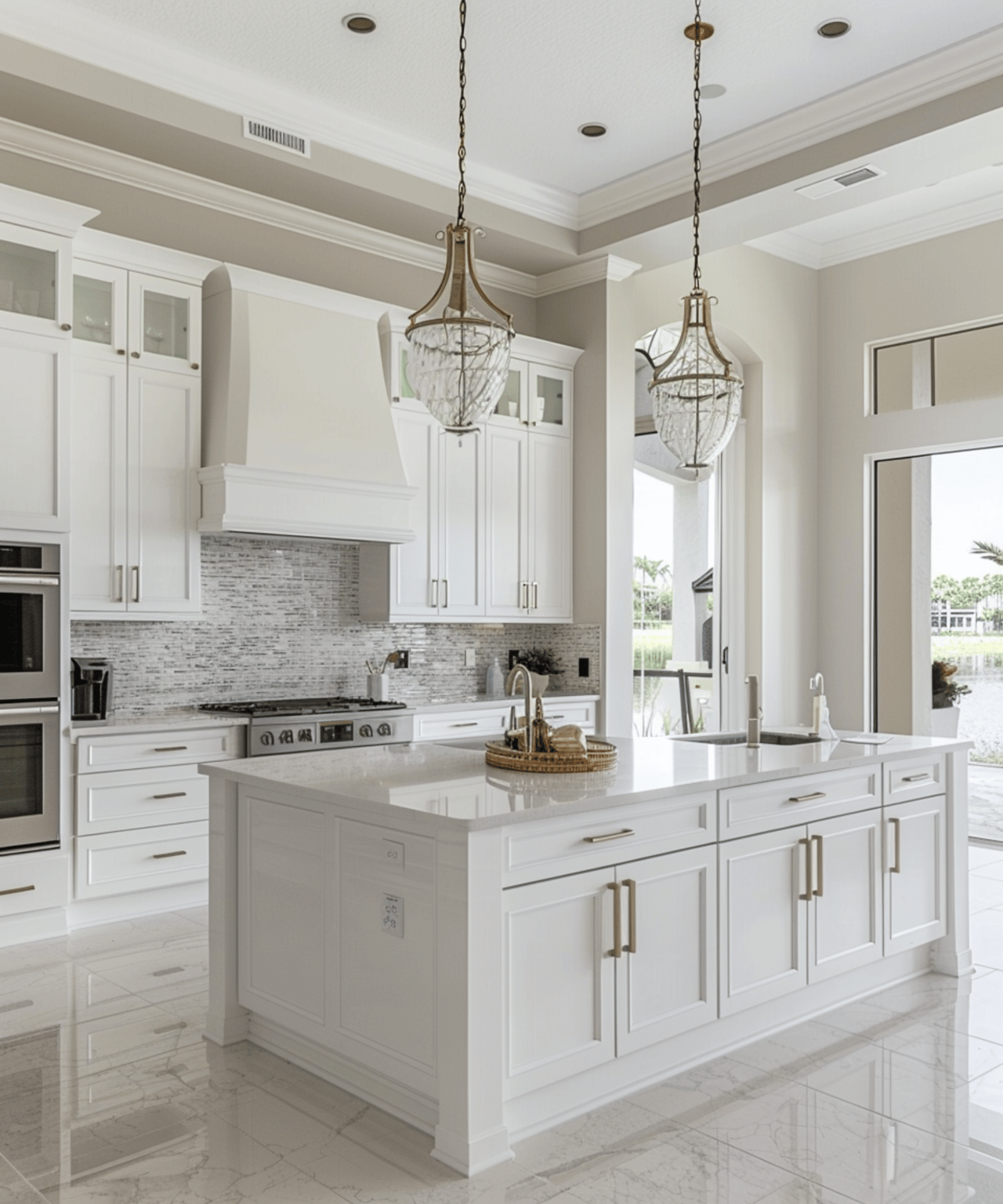
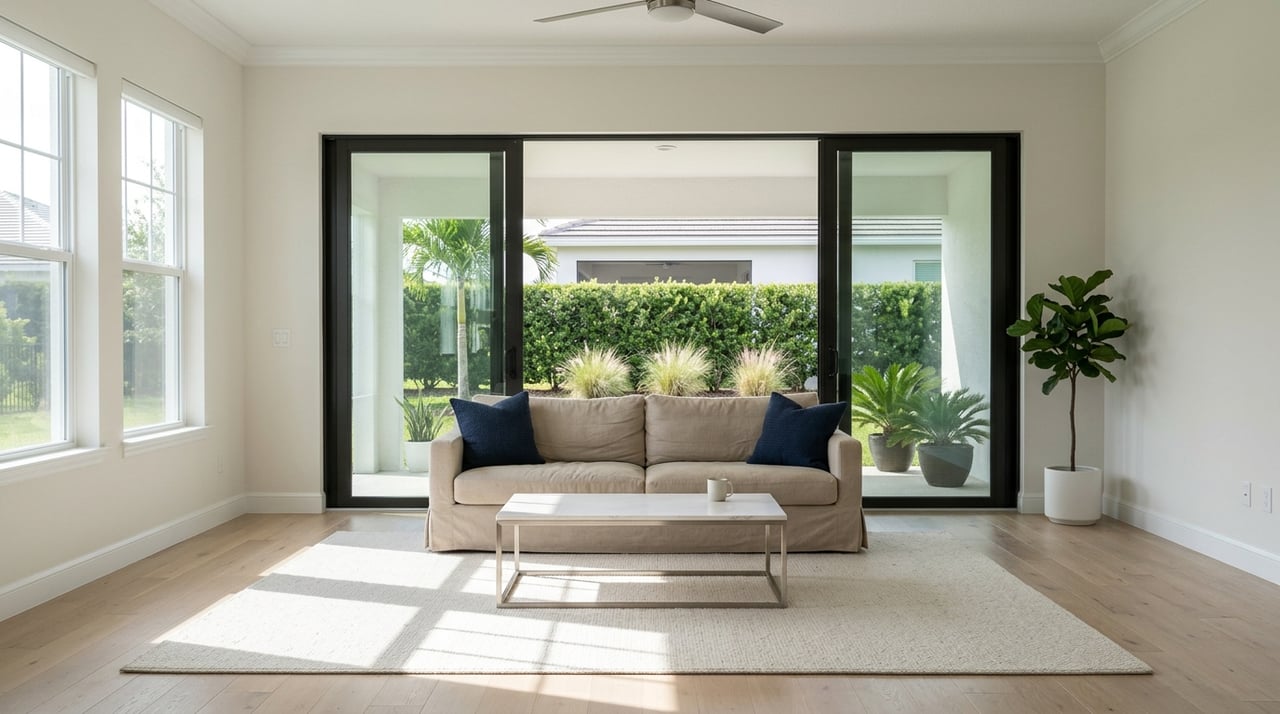
Once your home is ready, listing launch should feel coordinated, not pieced together. Staging, photography, pricing, and MLS entry work best when handled as one strategy. That first impression can shape both buyer interest and the pace of your sale.
NAR defines staging as preparing a home to help buyers picture living there. In practical terms, that means a clean, well-presented home with strong photos can create more momentum right away, especially during the first week on the market.
Pricing affects the timeline
Pricing is one of the biggest factors in how long your home may take to sell in Jacksonville. According to Redfin’s Jacksonville market data, the median sale price was about $299,990 in February 2026, the average time on market was 84 days, the sale-to-list ratio was 96.9%, and 29.5% of homes had price drops.
Zillow also reports a sale-to-list ratio of 0.977, with 12.4% of sales going over list price, according to its Jacksonville housing data. The takeaway is simple: some homes still move quickly, but many sellers need to price realistically from day one.
If you overprice and wait for the market to catch up, you may lengthen your timeline and weaken your negotiating position. A well-priced home can move faster than the local average, while an overpriced home may sit, require a price cut, and attract tougher buyer feedback.
How long it takes to get an offer
This is often the most unpredictable part of the selling timeline. In Jacksonville’s current market, many homes need several weeks to a few months to go from active listing to accepted contract. That does not mean every sale takes that long, but it is a practical planning range.
Some homes will move faster because they are updated, priced well, or match what buyers want most in the moment. Redfin reports that hot homes can sometimes go pending in around 35 days and that homes receive about two offers on average. Still, a typical seller should avoid assuming their home will sell immediately.
What can shorten this phase
You can improve your odds of a quicker sale by focusing on the parts you control:
- Prepare the home before listing, not after
- Address obvious repair concerns early
- Use staging and professional photography
- Price to current comparable sales instead of testing the market
- Be ready to respond quickly to showing and offer activity
These steps do not guarantee a fast offer, but they can help reduce friction and improve buyer response.
What happens after you accept an offer
Many sellers think they are nearly done once an offer is accepted. In reality, the closing phase still has several moving parts. If the buyer is financing the purchase, this period often lasts 30 to 45 days, according to Freddie Mac.
During this stage, the buyer typically schedules inspections, finalizes financing, and completes the lender’s appraisal process. The Consumer Financial Protection Bureau notes that inspection issues can lead to repair requests or even cancellation if the contract allows it, and lenders generally require an appraisal before closing.
Common delays between contract and closing
The most common reasons a sale slows down after contract include:
- Inspection repairs or negotiation disputes
- Appraisal results that do not support the contract price
- Buyer lender documentation delays
- HOA, title, or property paperwork issues
- Requests to extend contract deadlines or closing
Florida contract timing also matters here. Florida Realtors explains that standard residential contracts use calendar days, and deadlines that land on weekends or legal holidays roll to the next business day. It also notes that an extension of one deadline does not automatically extend every other contingency.
Recording and final closing steps in Duval County
At closing, title and recording steps still need to be completed properly. In Duval County, the Duval County Clerk is the official recorder of deeds and other recordable instruments.
The Clerk states that in-person original documents can be scanned, recorded, and returned while you wait. Mailed or electronically recorded documents are processed as soon as possible, but same-day or next-day recording is not guaranteed. For most sellers, this is a behind-the-scenes step, but it is still part of the overall timeline.
A simple Jacksonville home sale timeline
Here is a practical way to think about your timeline:
| Phase | Typical timing |
|---|---|
| Pre-listing prep | Several days to several weeks |
| Active on market | Several weeks to a few months |
| Under contract to closing | About 30 to 45 days |
Every home is different, but this framework can help you plan your move with more confidence. If your property needs repairs or if pricing misses the market, your timeline may stretch. If your home is well-prepared and priced well, you may move faster than the median.
How to sell faster without creating new problems
The fastest sales are not always the ones with the fewest days on market. A truly efficient sale is one that stays together, avoids repeated renegotiation, and reaches closing with fewer surprises.
That is why the best way to compress your timeline is to do more work upfront. Based on guidance from NAR, CFPB, Freddie Mac, and Florida Realtors, the biggest pressure points are usually preparation, pricing, disclosures, inspection issues, and closing paperwork.
Smart ways to stay on schedule
If you want to keep your Jacksonville home sale moving, focus on these steps early:
- Consider a pre-sale inspection to uncover major issues
- Decide early whether you will repair items or disclose and sell as-is
- Clean, declutter, and improve curb appeal before photography
- Launch with strong listing photos and a realistic asking price
- Keep warranties, manuals, and key property documents organized
- Respond quickly to buyer questions and contract requests
These are practical steps that can save you time later, especially when buyers, lenders, and title professionals need answers quickly.
Final thoughts on your Jacksonville selling timeline
Selling your home in Jacksonville is usually a multi-step process that takes planning, patience, and a solid strategy. In today’s market, most sellers should expect the process to take a few months from first conversation to closing, with the on-market phase often lasting several weeks to a few months and the closing period often adding 30 to 45 more days.
The good news is that you can influence a big part of that timeline. With thoughtful prep, realistic pricing, and steady guidance from a local expert, you can reduce delays and move through the process with more confidence. If you are thinking about selling in Jacksonville or Duval County, Leslie Smith can help you build a timeline that fits your goals and your next move.
FAQs
How long does it usually take to sell a home in Jacksonville?
- In Jacksonville, many sellers should plan for several weeks to a few months on the market, followed by about 30 to 45 days to close if the buyer is using financing.
What part of the Jacksonville home-selling process takes the longest?
- The longest stage is often either pre-listing prep when repairs are needed or the active listing period while waiting for the right offer in the current market.
Do Florida home sellers need to disclose problems with the property?
- Yes. Florida sellers must disclose known latent defects or other facts that materially affect value and are not readily observable, even in as-is sales.
Can pricing affect how fast my Jacksonville home sells?
- Yes. Pricing realistically from the start can help reduce time on market, while overpricing may lead to fewer offers, price reductions, and a longer sale timeline.
How long does closing take after accepting an offer in Jacksonville?
- For many financed purchases, closing typically takes about 30 to 45 days after the seller accepts an offer.
What can help speed up a home sale in Duval County?
- Early prep, realistic pricing, organized paperwork, clear disclosures, and quick responses during inspections and closing can all help keep the sale on schedule.